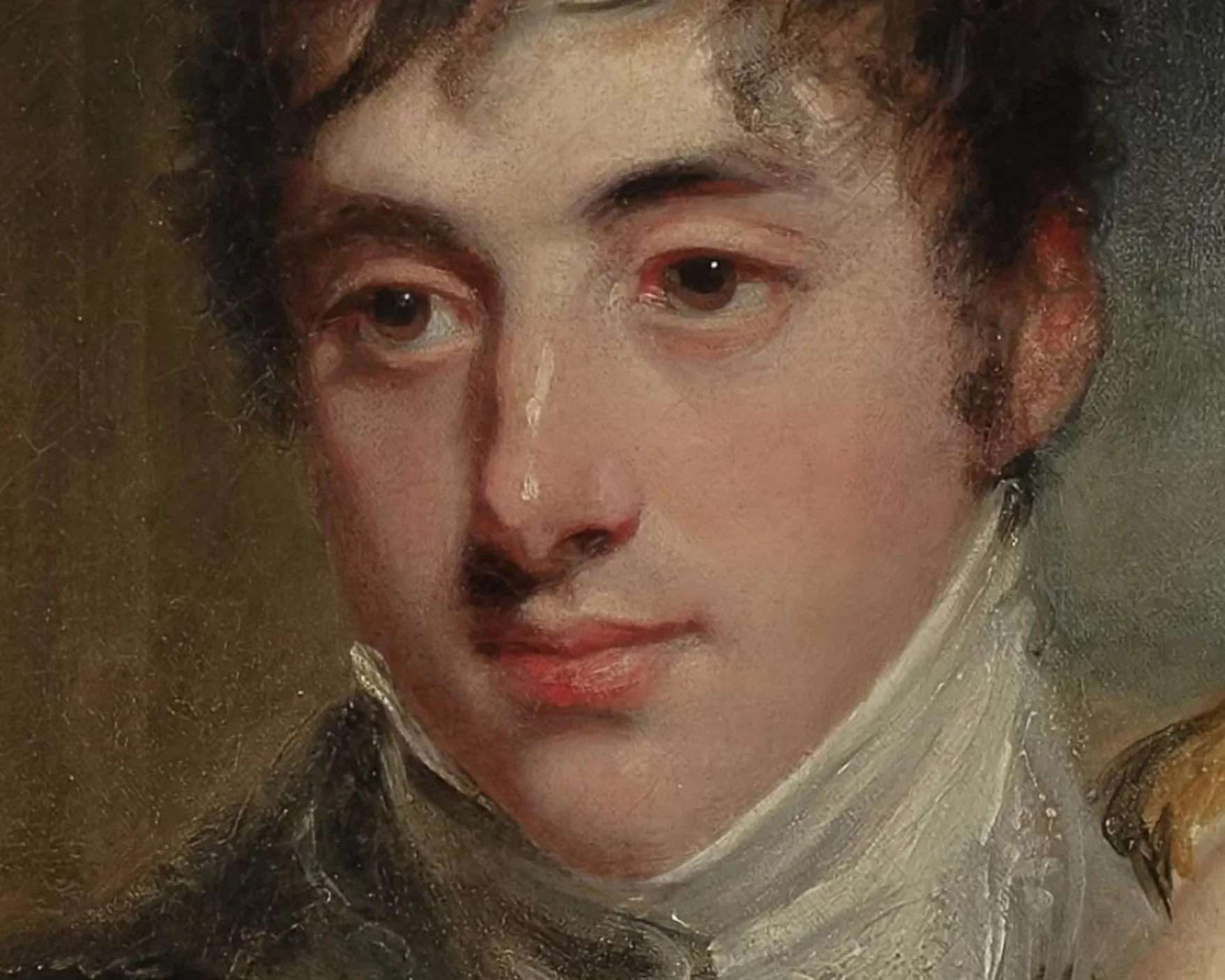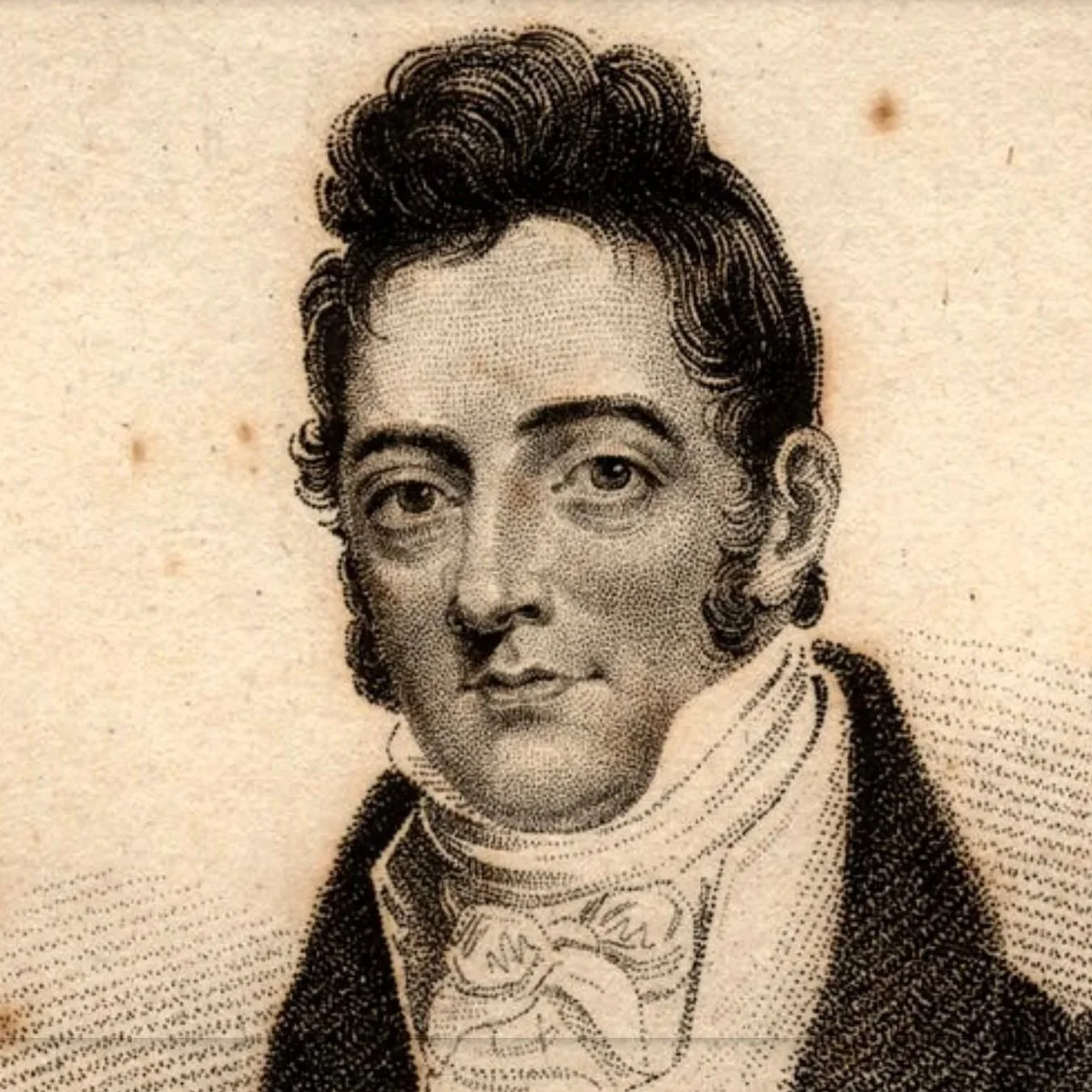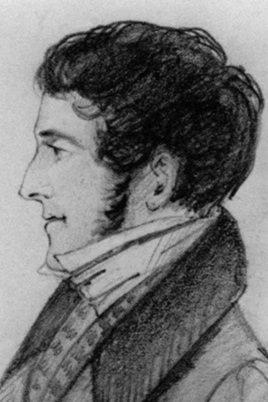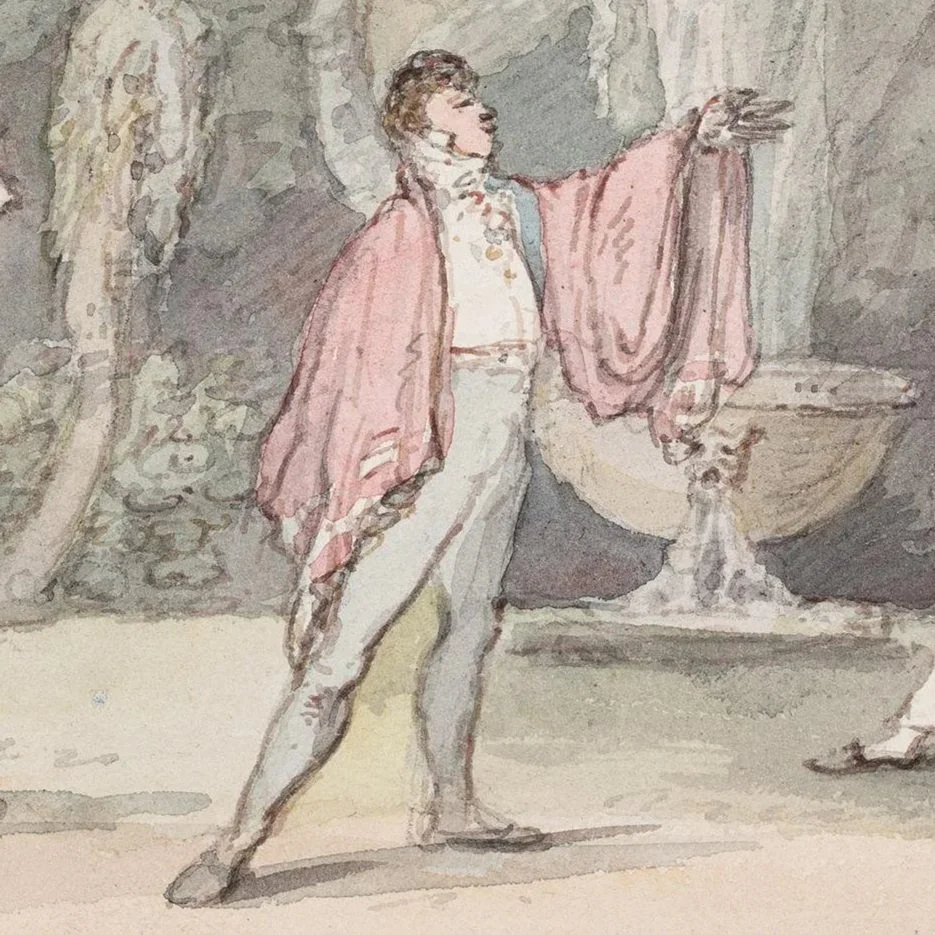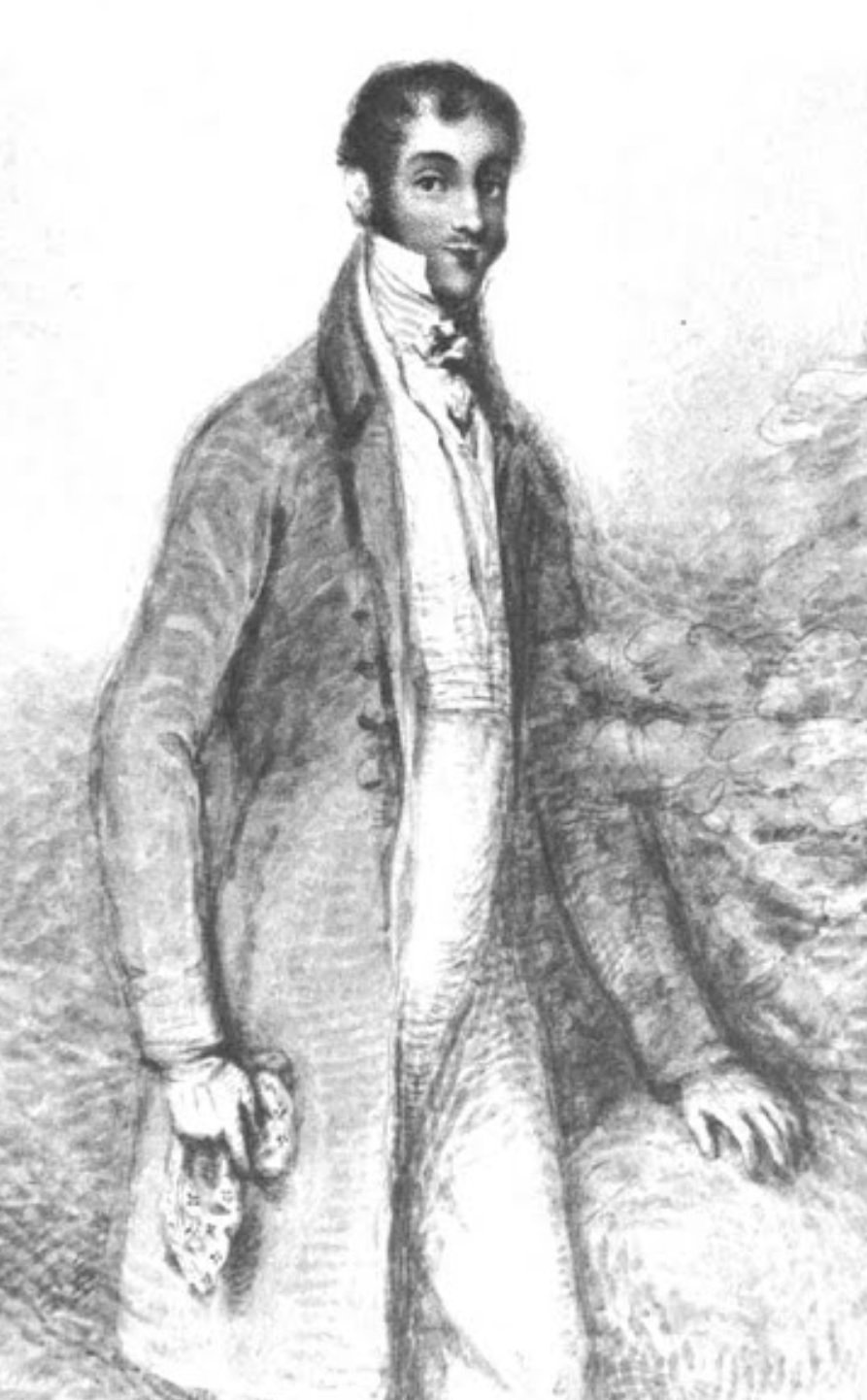
The Hon. Richard Keppel Craven — English nobleman, traveler, author, and the man at the center of a hidden Regency household
Richard Keppel Craven was born into one of the most conspicuous and unconventional families in Georgian England. His mother, Lady Craven, was an author, poet, playwright, actor, feminist, sportswoman and legendary beauty. She was also serially unfaithful to her husband. When she was caught sleeping with a servant, she was thrown out by Lord Craven. So was Keppel, although he was just four years old. His parents separated, and his mother went traveling in search of a protector. She found one in the Margrave of Anspach, whom she wed the instant Lord Craven had died.
The marriage made Keppel's mother extremely wealthy. She used that money as leverage over her son, and for two-thirds of his life, Keppel Craven was wholly reliant upon her, because she would not grant him an independency. Lord Craven, likely doubting his own paternity, left Keppel almost nothing: £200 a year until the age of majority, increasing to a measly £300 only.
This poverty set Keppel on a distinctive path.
He was not a landowner. He was not an MP. As the youngest son of a baron, he was entitled to social rank but not to a peerage. He was obligated only to please his mother, and so he wrote farces, acted in them, played piano and entertained her guests. One of these was Mary Carter, and Keppel fell for her. Hard.
This relationship prompted a battle between mother and son—for agency, for supremacy, for affection. The margravine's opposition to the match, along with threats from Mary's brother, effectively erased this love affair from history. The fight between Keppel and his mother ended with a self-imposed exile on the Continent, away from judgmental English society, and although he remained obedient to his mother until the end, Keppel nonetheless found freedom and acceptance in Naples, Italy, with Mary at his side.
And Sir William Gell. He found happiness at Naples with him.
No one knows where or how Keppel fell in love with Gell. We know only that they met in the spring of 1808. Gell was an author, an archaeologist, and, to the world, Keppel's friend. Privately, he was so much more. Gell became entangled in their lives—Mary's and Keppel's—and brought with him the Princess of Wales, who added another layer of duty. Keppel and Gell became vice-chamberlains to Her Royal Highness, which increased their visibility and thus endangered their privacy—a risky business for two bisexual men and the woman who loved them.
For the rest of their lives, Keppel, Gell and Mary resided at Naples. The morals there were lax. The history and archaeology were seductive, as were the local men. Eventually Keppel fell in love with another gentleman, a merchant's son named Andrea Pasquini, and another layer of difficulty, secrecy and obligation was added to the Craven household. Yet Keppel, with his big heart, generous spirit and high anxiety, managed everyone in his orbit—the margravine, the Princess of Wales, Mary, Gell, and Pasquini—with a finesse that was astonishing. He lived easily and successfully astride two worlds: that of the famous son of the margravine (protected by the “beard” of a mistress), and that of a man who was lover and financial supporter of two men he adored almost as much.
The public record remembers Keppel mainly as a travel writer and vice-chamberlain. His surviving journals, letters, portraits and associations tell a fuller story: a man of charm, anxiety, loyalty, vanity, dependence, courage and concealment; a man who lived between respectable society and private necessity, and whose life with Mary Carter and Sir William Gell opens a rare window onto love, secrecy, and queer life in the Regency world.